
A Message from Child Care Aware of Virginia
September is Baby Safety Month
Baby Safety Month highlights the importance of providing babies and families with safe, quality environments. Making children’s safety a priority means protecting them where they live and protecting them from dangerous products. But, even with the best parenting instincts, caring for a new life that depends entirely on you is not an easy task. Babies keep parents and caregivers busy – see the resources below to help make your job less stressful and keep your tiny human safe!


Safe Sleep 101
Newborns should spend between 14 and 17 hours sleeping every day—make sure they’re as safe as possible! Unsafe sleep is Virginia’s leading cause of non-natural infant deaths, but we can reduce that risk. Remember the ABCs of Safe Sleep: The best place for your baby to sleep is ALONE, on their BACK, and in a CRIB with tight-fitting sheets and no soft objects or loose bedding.
The Safe Sleep Academy was developed by Cribs for Kids to educate parents and caregivers on the importance of safe sleep practices. Their website is full of resources and information to help you maintain a safe home and sleep environment. Click the button below to visit Cribs for Kids, and make sure to check out their Safe Sleep Video Library!
Car Seat Safety
Car seats are critical to keeping your baby safe in a car. When installed correctly, car seats can reduce the risk of fatal injury in a crash by 71% for infants, but nearly half of all car seats and booster seats in the US are installed incorrectly! Find a Certified Child Passenger Safety Technician in your area for hands-on help installing your child safety seat, and click the link in the picture for a free Car Seat Safety course from the ICP.
While car seats are always the best place for babies in a vehicle, remember that they are not safe sleeping spaces. Infants shouldn’t be left in car seats for more than half an hour at a time and should never nap in a car seat outside of a vehicle. Visit our website for more car safety tips.
Baby Proofing
Bringing home a baby can change how you view many things in your house. You probably did a round of babyproofing before you even brought your little one home, but as the baby gets closer to scooting and crawling, it’s time to take another look at the potential hazards in your home. Everyday items you haven’t given much thought to are exciting things for the baby to pull, push, gnaw, grab, or climb on. Accidents are the leading cause of death for young children, so working to keep them safe is important. Visit FamilyEducation.com to learn more babyproofing basics, or see some babyproofing steps you might have missed. For a room-by-room babyproofing checklist, click the link in the button!


Choosing Safe Toys
The right toys can provide so many benefits to your child, from stimulating their senses, supporting motor skills, and sparking delight. In general, most toys on the market today are safe, but injuries can happen when toys break, are misused, or are inappropriate for the age and temperament of the child. Even when well supervised, young children often find themselves in dangerous situations. To help keep them safe, select toys that offer worthwhile play and learning experiences while limiting hazards. The best toys are the ones that meet a child’s age, development, skills, and interests. The way babies play changes as they age and grow, so it’s important to select toys designed that can help their development. Click the link for more.
Unsafe Baby Products
Baby walkers have been marketed as helping kids walk sooner, but research shows they may actually delay your child’s first steps and have been responsible for thousands of infant injuries. The AAP has even called for a ban on the sale and manufacture of walkers, but you can still see them for sale today. You may be surprised to learn that many well-known and well-loved baby products have led to many infant deaths. Even products that are safe to use during supervised awake time can lead to death or injury when misused, such as infant loungers leading to SIDS when infants sleep in them. Click the link in the button to see a list of baby products you should avoid and how some safe products can be misused. See also – 7 everyday objects your baby shouldn’t be playing with.
Drowning Prevention

When you think of drowning prevention, you may think of horror stories of children drowning in pools, beaches, or lakes. But according to the CDC, two-thirds of infant drownings happen in the bathtub. Drowning is often silent and can happen quickly, so it’s important to always supervise young children around any bodies of water, no matter how deep. For more water safety information, visit our friends at HealthyChildren.org.
Juvenile Product Manufacturers Association
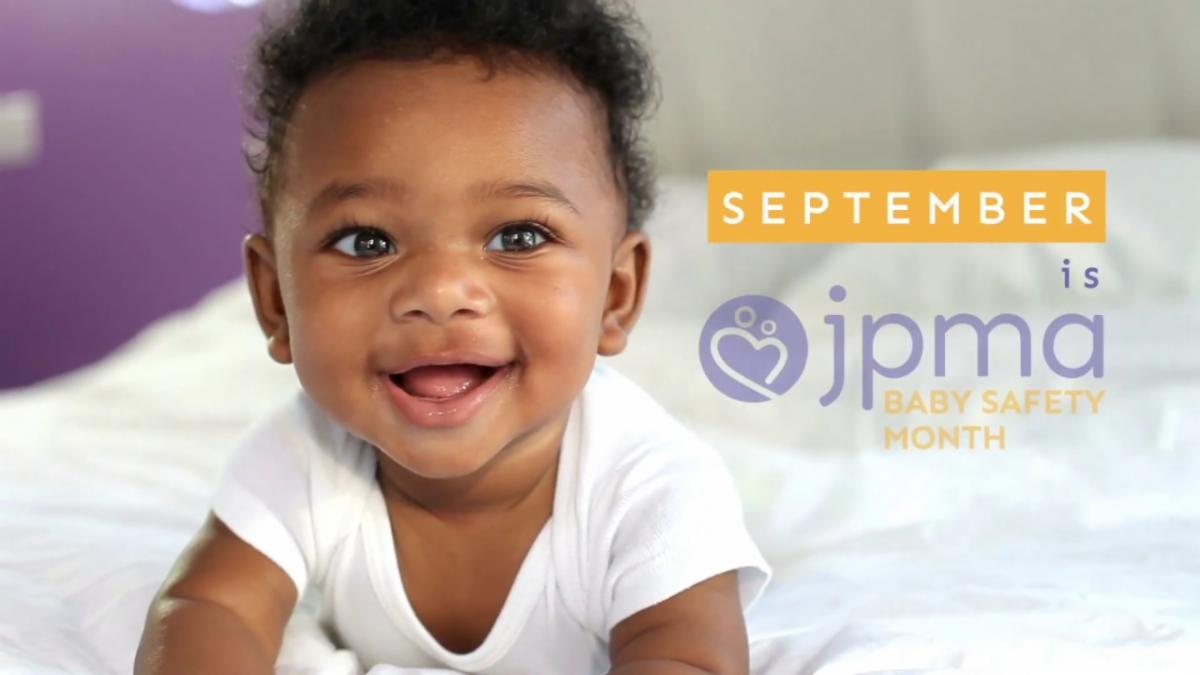
If you’re in the market for baby products, you’re likely to see the Juvenile Products Manufacturers Association (JPMA) seal on some of them. A JPMA certification seal means that a baby product has been tested and met guidelines set by an international agency and government requirements for safety and use. The JPMA sponsors Baby Safety Month annually to educate parents and caregivers on the safe selection and use of juvenile products. Visit the JPMA website to learn more about Baby Safety Month and more!
Juvenile Product Recalls
When a product is found to pose a risk of serious harm, it may be recalled by the government and the manufacturer. Most recalls of children’s products are handled by the CPSC. Keep in mind that even when a product is removed from stores, few steps are taken to remove the product from homes, child care facilities, secondhand stores, and garage sales. Millions of recalled products are still in use today – make sure your check your products at SaferProducts.gov or the CPSC Recall Search website. For more product safety information, check out the CPSC Safety Education Website below!
Choosing Quality Child Care
When it comes to keeping your baby safe, choosing a quality child care provider is one of the most important decisions you can make. High-quality child care has a long-lasting impact on a child’s development, behavior, and cognitive abilities. Visit our Families pages for more information about choosing a quality child care provider.

Stay informed – join our mailing list today!
Whether you are a parent, child care provider, or interested community member, we have a variety of valuable resources to share with you. Sign up today to receive updates on early childhood education in Virginia!