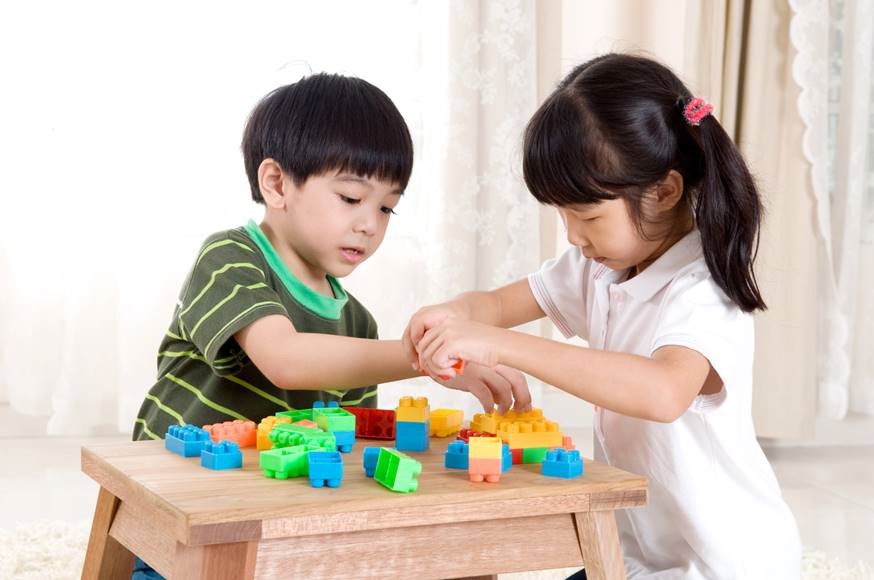
While February seems to be the month focused on relationships and love, we can continue to build and maintain these long-lasting connections everyday with our children. From Valentine’s Day in February to International Day of Families in May and National Loving Day in June, the year is filled with different opportunities to teach our children the importance of healthy relationships and the skills needed to build and nurture those relationships.
Relationships are an important part of a child’s social and emotional development. As humans, the need to communicate with others is essential. We create friendships, partnerships, and interactions that provide us the connection we need. Your child, whether you realize it or not, is learning and growing through their relationships with every person they’re in contact with. The skills needed to build healthy relationships begin to develop at birth.
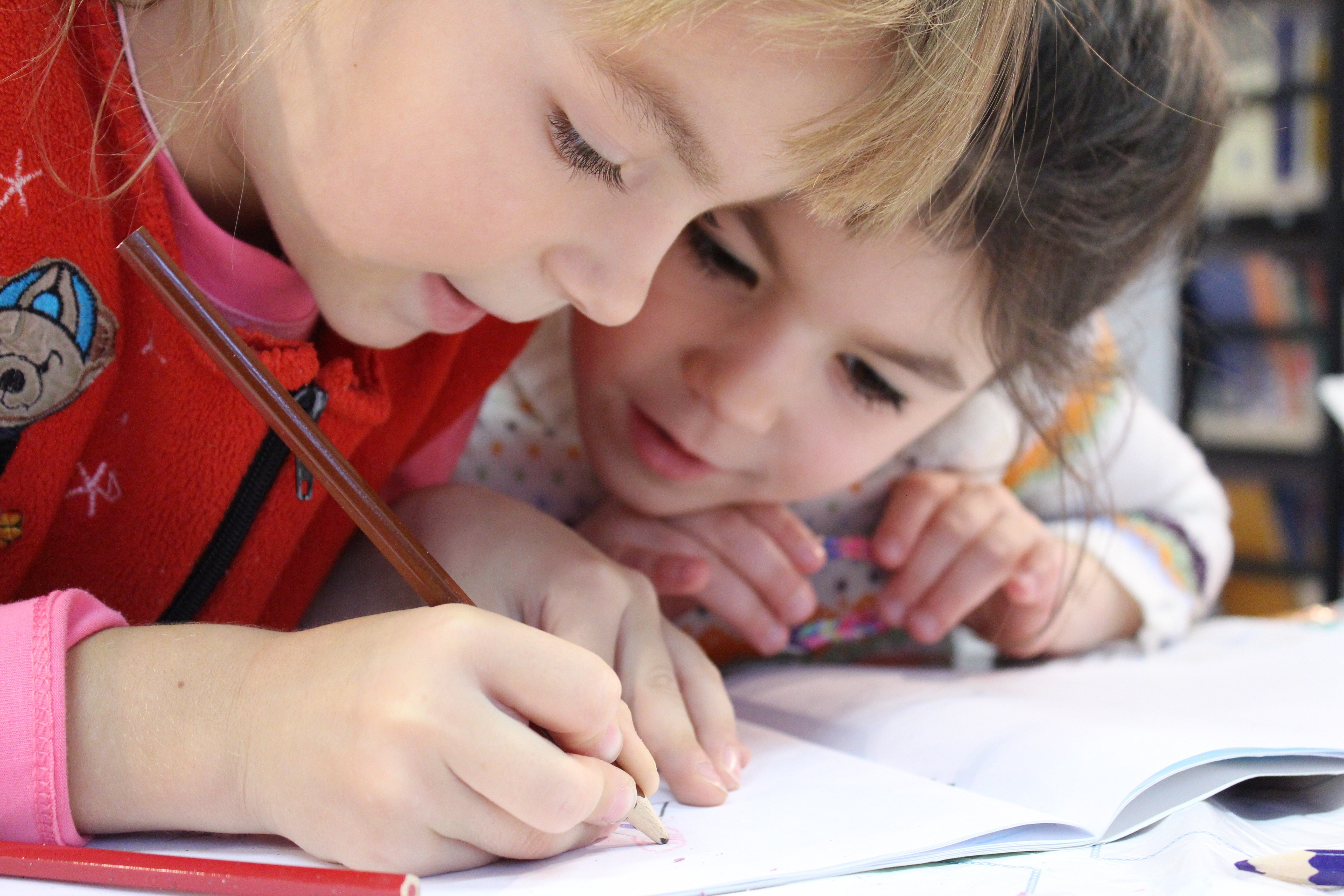
 As children get older, they become more independent and more focused on creating friendships with their peers. Although parents continue to be the most important people in their child’s life, children tend to distance themselves as they learn how to become self-sufficient. This is a good thing, but there are steps you can take to make sure that you’re maintaining a close, healthy relationship with your newly independent school-ager.
Growing and Maintaining a Relationship with Your School-Ager:
Keep it positive and intentional When you sense a perfect time to talk either about school or friends, be simple and positive. Your child is experiencing and learning a lot. Be careful not to shame them or make them feel uncomfortable talking to you. Let them know you are on their team!
Listen closely Sometimes as adults, it’s our instinct to impart our wisdom on our little ones. It’s important to remember that children learn the best by modeling or watching you. If your child wants to talk, listen closely, acknowledge their feelings, and empathize. This will go a long way in letting your child know you are a safe person to talk to.
Set clear rules Explain what you expect from your child upfront. Children like to know what to expect and what’s expected of them. Being clear about limits and expectations will help to reduce conflict and increase transparency in the household.
Have family meals Family meals can strengthen your family relationships and your child’s sense of belonging. It also provides time every day, free of distraction, to connect and have a conversation.
Create family traditions You may never realize the impact, memories, and connections that traditions can create. Whether it’s making cookies every Christmas Eve or going for ice cream before the first day of school each year, your children will love having a special family moment to look forward to and look back on.
Relationships require time, care, and a lot of nurturing. As parents, your energy is constantly being pulled in a thousand directions. Be sure to take a step back to ensure that the relationship with your school-ager is growing and developing just as they are.
Additional Resources:
 As adults, our goals may be a bit more complex, but our children can benefit from goal-setting as well.Creating New Year’s resolutions with and for your children can help to set your child on the right path. By helping children establish healthy goals now, you encourage them to embrace healthy lifestyles as they grow into adults.


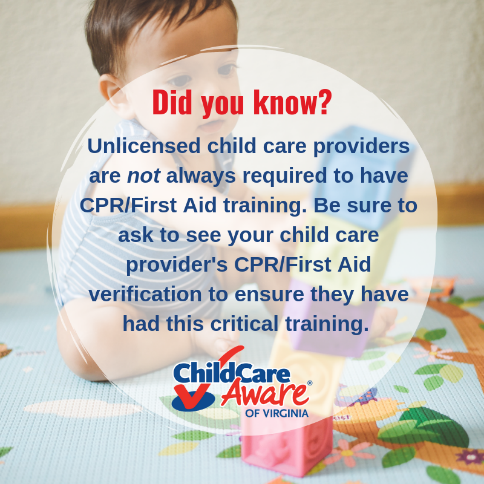 It’s important to note that child care programs are not created equal. Choosing a child care provider is no small task, and it’s not a decision to be taken lightly. It involves research, phone calls, checking inspection records and references, interviews and tours to ensure that the provider you choose offers the safe, quality care that your child needs to thrive. Each family is unique, so be sure that the provider you choose can accommodate your individual needs. As you begin your child care search, use these general considerations to assess the quality of the providers you interview.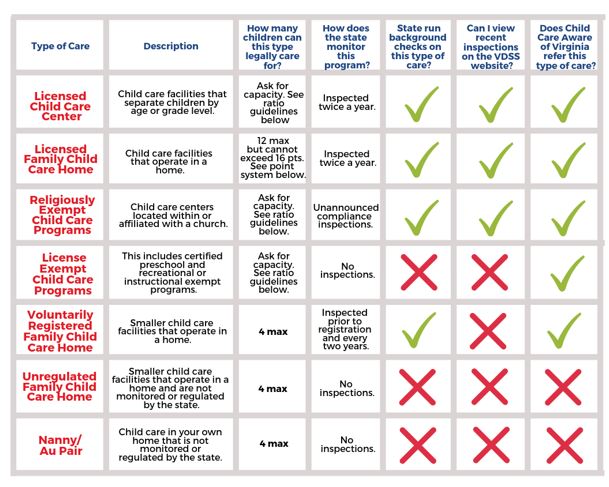





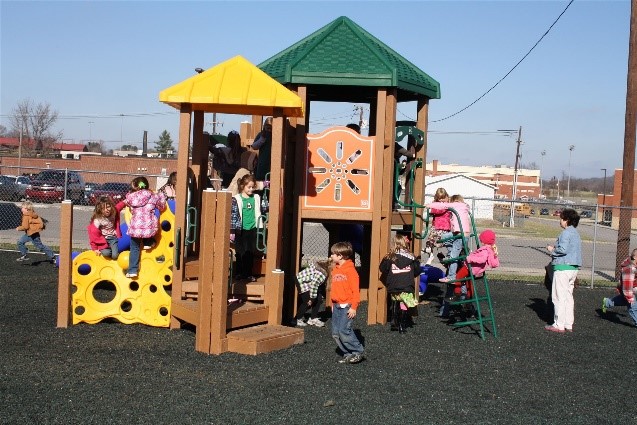


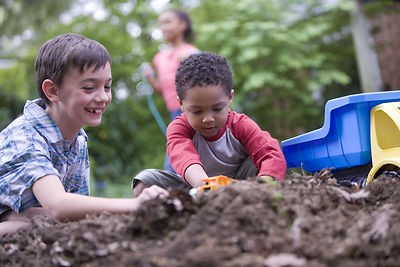

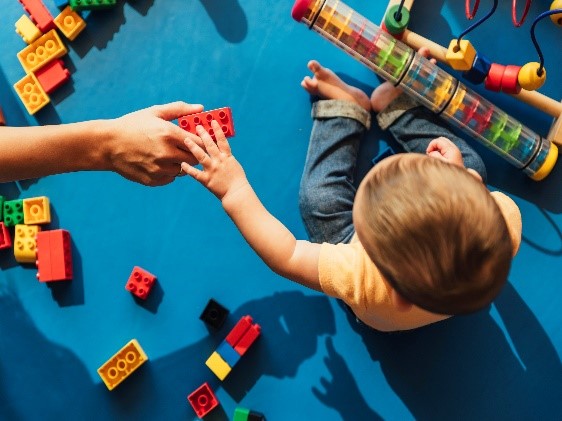
 Build thinking skills by encouraging children to explore. Parents can use everyday moments and simple interactions as teaching opportunities. Babies will touch, bang on things, shake, and roll as they learn how things work. As they grow, allow your toddler to take the lead. Children this age learn by exploring and experiencing the world around them. Follow your child’s lead. Children benefit from repeated actions, as this strengthens connections in the brain. Encourage this by providing activities such as building with blocks, solving puzzles, or water and sand play.
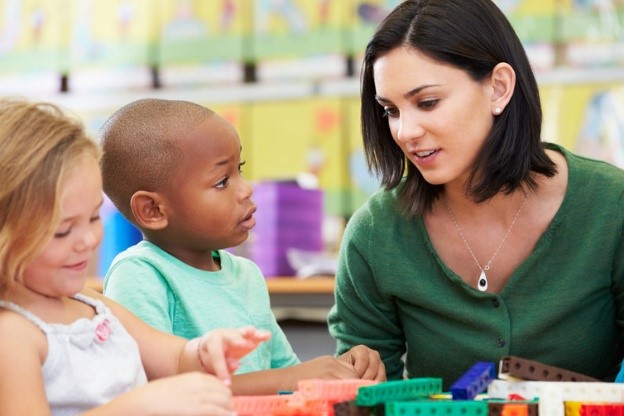 It is also important to label and acknowledge your child’s feelings when they begin to lose control. This lets them know they are heard and understood. This doesn’t mean giving in to their demands, but letting them know that you understand their feelings will help your child to regain control and calm down. If your child is upset, say to them “I can see that you are angry right now, but the way you are acting is not ok. How can we let your anger out?”, then give some ideas. Providing an alternative gives them some control and an avenue to express themselves appropriately.
 Build language and literacy skills by talking together. It seems simple, but talk to your child all day long. When they are young, narrate what you’re doing and point things out to them. As they begin to develop communication skills, continue by asking them questions and engaging in back and forth conversation. Reading is also critical to building language and literacy skills. Read to and with your child from birth. Fifteen minutes a day can result in lifelong benefits for your child. Don’t worry if they can’t sit to finish the book. That is not as important as the time you spend together. And don’t forget, reading the same books over and over again builds connections in the brain.
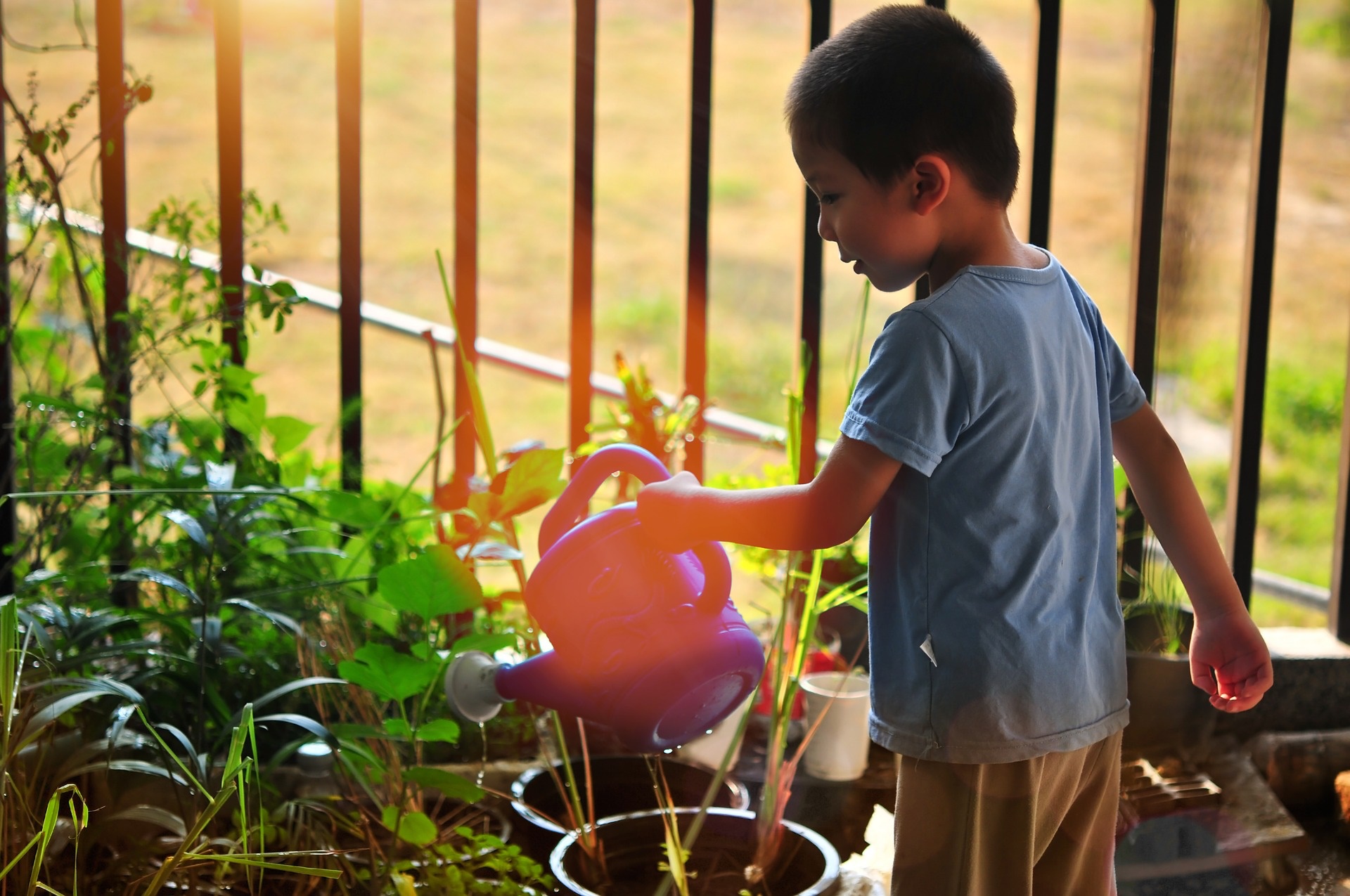


 Show Interest in Your Child’s Hobbies
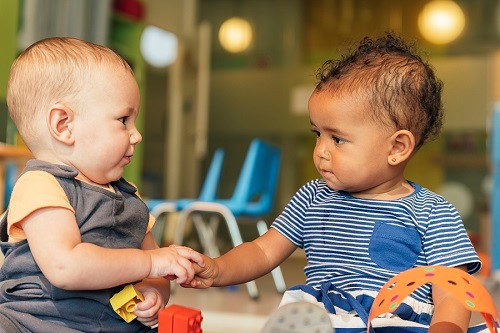 share, problem-solving skills, and how to be a good friend. Children need to practice these important social skills- and not just with you!

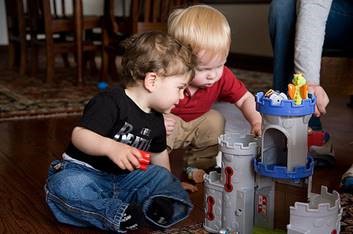 refers to your child’s ability to:
 Relationships are Key